

Home Remedies for Viral Fever Home Remedies for Viral Fever, Natural Treatment for Viral Fever, Viral Fever Infections Natural Remedies Viral fever is a common problem faced by young and old, especially during change of seasons or in cold seasons. When a person suffers from a viral infection fever, it means that his body temperature has gone high, due to the presence of a viral infection. Although viral fevers are highly contagious, they are fairly harmless and do not lead to any major complications. The body temperature shoots up and usually the doctors recommend heavy doses of antibiotics that drain all the energy, making the patient weak and might even stop showing positive effects. There is nothing like treating viral fever at home with some effective natural home remedies. Symptoms of a viral fever Viral Fever Symptoms Home remedies for viral fever Rest: Rest is the important home remedy for fever. Just let the patient have have plenty of sleep and rest. Plenty of fluids: Fluid intakes should be given at regular intervals. Consume good amount of fluids but not milk. Fruit juices are safe to drink. The citrus fruits cleanse the body and remove toxins. A hot cup of lemon juice with honey strengthens body to fight diseases. A hot cup of milk with pinch of turmeric and pepper can cure throat irritation. Chicken broth or other hot soups are very helpful. Energy Boosters: Hot boiled rice, mashed with milk and sugar is the best meal. The carbohydrate and glucose rich porridge provide energy. This is also easy to gulp. You can also add a pinch of pepper, cumin and coriander concoction with rice and salt. This will bring relief to sore throat and cough. Herbal Teas: Go for tulsi tea, ginger tea and mint tea. These are refreshing home remedies for fever. Basil, honey and ginger: Make a concoction by mixing juice of basil leaves (tulsi) ginger juice and honey and have it for treating the symptoms of fever, cough and cold. Gargling: Gargling with salt water is helpful for throat and nose infections. Cold Compress: Apply a cold compress or an ice pack directly to the forehead. This reduces the temperature. Or place a piece of damp cloth on forehead and ask the patient to relax. Repeat the process for the chest and wipe off the hands and feet with the same cold towel or cloth. The evaporation of water from the cloth takes away heat from the body. This is the simplest way to bring down a high temperature. Margosa leaves: Keep some Margosa leaves in the room. Margosa is a natural antiviral and prevents the spread of infection. Vaporizer: Try using a vaporizer in your room. Add some Vicks vaporub to the water in the vaporizer. This will humidify the room. Backrub: Get yourself a backrub. Its good for the immune system. Eat light and non spicy food. Wear clothes that are loose and light. Raw tulsi: Raw tulsi (basil) leaves can be chewed for getting relief from viral fever symptoms. Note: Try these home remedies for viral infections. If fever continues, consult a doctor immediately. 2 Comments AnonymousSeptember 5, 2012 at 1:13 am | Edit I just know about this home remedies for viral fever. This is very important for others like me to know. Thank you very much for sharing. blog revealing genf20 plus Reply AnonymousJune 14, 2013 at 12:45 pm | Edit Great stuff here. The information and the detail were just perfect. I think that your perspective is deep, its just well thought out and really fantastic to see someone who knows how to put these thoughts down so well. Great job on this. Reply Leave a Reply Cancel reply Logged in as quickhomeremediesin. Edit your profile. Log out? Required fields are marked * Message*

Refreshing Coconut Water for Hot Summers: Benefits of Drinking Coconut Water
Coconut Water Refreshing Coconut Water for Hot Summers: Benefits of Drinking Coconut Water Coconut water is the juice extracted from the interior or endosperm of young coconut. The juicy water obtained by opening a tender, green, healthy, and undamaged coconut, is one of the nature’s most refreshing drinks consumed worldwide for its nutritious and health benefits. The cocounut water is clear, sweet, and sterile and composed of unique chemicals such as vitamins, minerals, sugars, enzymes, electrolytes, amino acids, cytokine, and phyto-hormones, thereby making it a healthy electrolyte drink. Coconut water has much better composition of minerals like calcium, iron, manganese, magnesium, and zinc than some of fruits like oranges. Coconut water is a universally appealing drink. There are no known side effects associated with it. It is not only cherished in healthy individuals but also considered safe for pregnant women, infants as well as sick individuals. Health Benefits of Coconut Water Dehydration: Coconut water is a very refreshing drink, especially during summers to beat tropical summer thirst and replenish hydration levels in the body. Diarrhea: Coconut water has been generally offered to patients with diarrhea. Coconut water contains a very good amount of electrolyte potassium. 100 ml of water has 250 mg of potassium and 105 mg of sodium. Together, these electrolytes help replenish electrolytes deficiency in the body due to diarrhea. It helps in replacing fluid loss from the body. Unlike WHO-ORS, its water is very low in sodium and chlorides, but rich in sugars and amino acids. This well-balanced fluid composition with its required amount of calories is an ideal drink than any other brand of soft drink beverages in dehydration conditions. Digestion: Coconut water helps in digestion and metabolism. It is also an immunity booster. Urinary disorders: The coconut water is helpful in curing problems of urinary disorders. Toxins: Drinking coconut water washes out toxins from human body. It acts as a natural diuretic in heart, liver and kidney disorders. Kidney stones: Coconut water helps in eliminating kidney stones. Virus: Helps your body in fighting viruses that cause the flu, herpes, and AIDS Cancer: Helps keep the pH balance in check, thereby reducing the risk of cancer Cardiovascular health: According to researchers, people with high blood pressure usually have low potassium levels. Therefore, drinking coconut water can be quite effective at regulating blood pressure due to its high concentration of potassium and lauric acid. Similarly, studies have found that coconut water can help increase HDL (good) cholesterol, which makes it a wonderful natural treatment for maintaining good cardiovascular health. Weight Loss: Coconut water is a natural electrolyte and isotonic beverage which help increase the body’s metabolism. Therefore, it can greatly help people who are struggling with weight issues. Cholera: Tender coconut water is very useful in cholera. Give eight to 12 ounces of coconut water mixed with a teaspoonful of fresh limejuice to the patient. Coconut Water for Skin Coconut water fades off pimple marks. Dab on a cotton ball and use it three times a day. For people suffering from chicken pox drinking and dabbing coconut water on the boils offers relief. Coconut water is used as a natural medicine to re-hydrate the body and to have a glowing and flawless skin If you have blackheads and other types of acne then you can also use coconut water as a mask. If you don’t want the coconut water to rest on your face then you can simply wash your face with it. Tips Drink coconut water without any additions. Iced coconut water can be a refreshing drink. Fresh coconut water can be made special drink adding lemon slices, mint leaves, orange zest etc. Gel like meat (kernel) in the young tender coconuts is very sweet and delicious. Leave a Reply Cancel reply Logged in as quickhomeremediesin. Edit your profile. Log out? Required fields are marked * Message*

Home Remedies for Dry Eyes
Dry Eyes Home Remedies for Dry Eyes: Natural Solutions for Relieving Dry Eyes For most people, having dry eyes doesn’t sound very serious. But it’s surprising to realize how serious having dry eyes can be. Dry eyes imply that the glands producing tears in your eyes are not functioning well. Tears contain a combination of antibodies (to prevent infection), oils (for lubrication), mucus, proteins, and water (to provide moisture). Symptoms of Dry Eyes Blurred vision Burning in eyes Pain Itchiness Redness Sensitivity to light Causes of Dry Eyes A deficiency in tear production. Side effects of certain medicines, like as tranquilizers, decongestants, antihistamines, and birth control pills. Cigarette smoking. Drinking alcohol. Aging. Environmental factors, like pollution, harsh winds, air conditioning. Other factors, like allergies, rheumatoid arthritis, and menopause etc. Dry Eyes Home Remedies for Dry Eyes Use Artificial Tears: Buy artifical tear OTC. These look like real tears and can be used several times a day. They give a soothing effect to the eyes. However, some artificial tears contain preservatives which may be harmful to the eyes. So use artificial tears that are natural and preservative-free or “nonpreserved. Try Warm Compresses: A warm compress can a play a beautiful role of unclogging the oil producing glands in your eyelids. This will definite soothe dry eyes. Take a cloth and wet it in warm water, squeeze out the water, and then place it over your eyes for few minutes. You should do this several times a day. Infact this is the first thing that you should do after you first wake up in the morning. Massage afte a compress: Use a finger tip covered with the cloth. Gently apply pressure through sweeping motions from the nose area across the eyelid toward the ear. It will provide great relief in dry eye. Use a Humidifier: See that there is no dry air in your room. If the air in your house does not have moisture (which can happen when an indoor heating system is in use), this can be a cause of dry eyes. Use humidifiers in your room. This will keep your eyes from drying out when you’re sleeping. Keep Air Away From Your Eyes: When inside the car, make sure the air vents are turned away from your face. Blasts of air will only make dry eyes worse. Blasts of air can come from the heater or air conditioner and even hair dryer. Use fans in low speed: Even fans, both ceiling fans and oscillating fans, can worsen dry eyes. So use them on a lower setting. Blink Your Dry Eyes: Take breaks while working in front of the computer or while reading. Blink several times to spread tears over the surface of your eyes. Do’s and Dont’s of Dry Eyes Donot use medicated eye drops as they can treat only the red ness of the eyes. Wear singlasses while going out as the rays of the sun and wing and dust cause dry eyes. Include foods rice in vitamin A like as eggs, salmon, sardines, and proper nutritional supplements to improve tear production and prevent dryness. Leave a Reply Cancel reply Logged in as quickhomeremediesin. Edit your profile. Log out? Required fields are marked * Message*
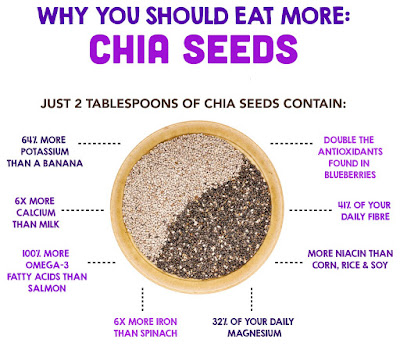
Top 9 Health Benefits Of Chia Seeds
Chia Seeds Top 9 Health Benefits of Chia Seeds Discover the Superfood for a Healthier You: Chia Seeds In today’s fast-paced lifestyle, where stress, junk food, and unhealthy eating habits dominate, finding a superfood that can significantly enhance your well-being is essential. One such popular superfood is chia seeds, renowned for their numerous health benefits. What are Chia Seeds? Originally grown in Mexico, chia seeds are prized for their exceptional nutritional value and medicinal properties. Historically used by warriors and athletes as an energy-boosting food, chia seeds are now celebrated as a health elixir. Packed with essential nutrients, these tiny seeds offer a powerhouse of vitamins, minerals, proteins, and carbohydrates, including omega-3 and omega-6 fatty acids, calcium, copper, phosphorus, potassium, zinc, sulfur, iron, iodine, magnesium, and manganese. Nutritional Benefits of Chia Seeds Skin Repair and Anti-Aging: Chia seeds are rich in antioxidants, which aid in repairing the skin, preventing damage, and slowing down the aging process. Improved Digestion: High in fiber, chia seeds promote bowel regularity, prevent constipation, and facilitate smooth digestion. Blood Sugar Management: The fiber and alpha-linolenic acid in chia seeds help balance insulin levels, making them a natural blood sugar regulator. Weight Loss: Due to their high fiber content, chia seeds help you feel fuller for longer. When consumed, they absorb water and form a gelatin-like substance in the stomach, curbing hunger and aiding in weight loss. Heart Health: Rich in omega-3 and omega-6 fatty acids, chia seeds help reduce bad cholesterol and lower blood pressure, promoting a healthy heart. Energy and Metabolism Boost: Highly recommended for athletes and fitness enthusiasts, chia seeds enhance strength, energy, and metabolism, helping to burn belly fat and improve stamina and endurance. Bone Strength: Chia seeds contain calcium and boron, essential for maintaining bone health and strength. Cancer Prevention: The alpha-linolenic acid in chia seeds has been shown to limit the growth of cancer cells, particularly in breast and cervical cancers, while not harming healthy cells. Dental Health: Packed with calcium, phosphorus, Vitamin A, and zinc, chia seeds contribute to better dental health. How to Consume Chia Seeds Chia seeds are versatile and can be easily incorporated into your diet. They can be consumed raw, sprinkled over favorite foods, or soaked to form a gel that can be added to soups, smoothies, and other dishes. While chia seeds have no distinct taste, their nutritional benefits are immense. To maximize their vitamins and minerals, grind or soak chia seeds. Ground chia seeds can be used in gluten-free recipes like muffins, pancakes, bread, and pasta. Store ground seeds in a sealed glass container in the refrigerator. To soak chia seeds, mix them in a 1:10 ratio of chia to water. If consuming them unsoaked, ensure you drink plenty of water throughout the day to stay hydrated. Side Effects of Chia Seeds Chia seeds are generally safe, but consuming them in large quantities can cause stomach discomfort. It’s best to consume them in moderation.
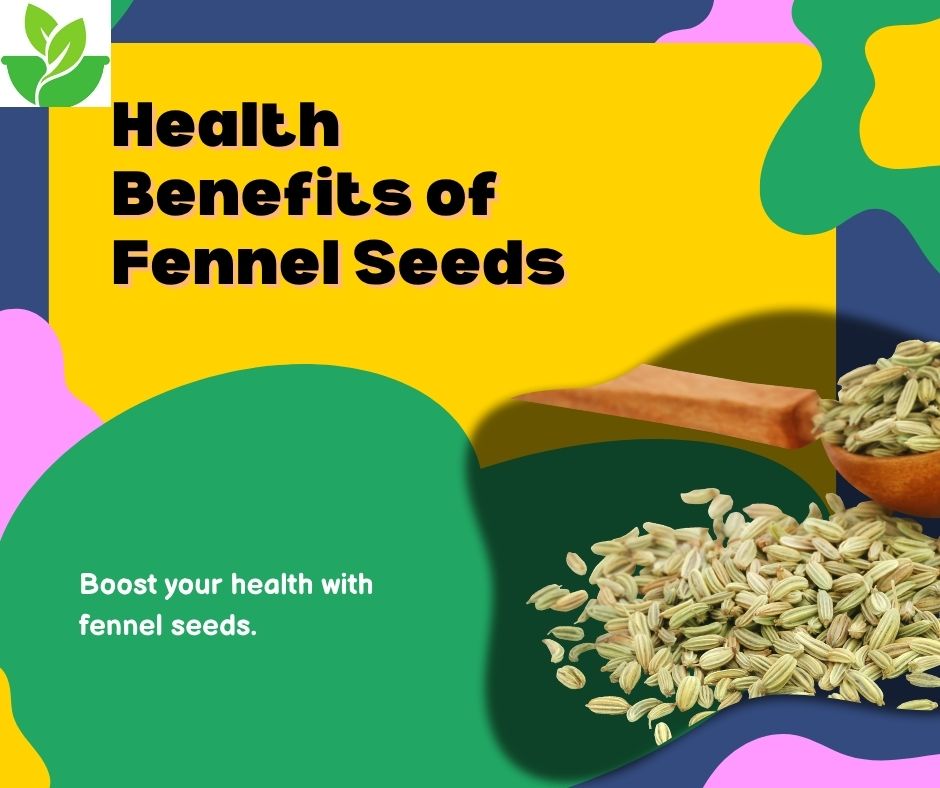
Fennel Seeds: Health Benefits of Fennel Seeds, Fennel Seeds Benefits
Fennel Seeds Fennel Seeds: Health Benefits of Fennel Seeds, Fennel Seeds Benefits Fennel seeds, the Indian name of which is Saunf or Sauf, are believed from folklore to have various nutritional and health benefits that are good for the overall well being of health. Fennel symbolizes longevity, courage, and strength. In addition to its use as medicinal values, fennel has many health benefiting nutrients essential compounds, anti-oxidants, dietary fiber, potassium, magnesium, calcium, iron, minerals and vitamins which are helpful to the human body. The is one of the most sought after ingredient in many popular cuisines all over the Mediterranean regions. Fennel seeds are used as spice in cooking as it gives a sweet licorice taste to the food. Sweet, anise-flavored fennel seed along with mugwort, thyme, nettle, etc. has been considered as one of the nine Anglo-Saxon sacred herbs for its health benefits. All parts of the fennel, including bulb, leaves, stalk and seeds are used in herbal medicines. Fennel seeds have fragrant odor and are widely used around the world in mouth fresheners, antacids, toothpastes, desserts, and in culinary. Health Benefits of Fennel Seeds Brain Related Diseases: Fennel seeds are very helpful for brain related diseases like as dementia, memory loss. According to the Indian researchers, fennel seeds have property to enhance cognitive performance. Fennel Seeds for Digestive Problems: The seeds are good source of phytoestrogens which help to treat stomach upsets, irritable bowel syndrome, colic, bloating, flatulence, indigestion and other stomach problems. Saunf or Fennel for Sight: When you take raw fennel seeds daily, it can keep one’s vision healthy. Also, they help to keep away from the glaucoma problem. Fennel for Women Problems: For those women, who are suffering from PMS symptoms, fennel seeds are best remedy as it treats menstrual-related pain (dysmenorrhoea). Fennel seeds also have galactagogue property which help in promoting production and secretion of milk in lactating mothers. Fennel as Blood Purifier: By consuming the raw fennel seeds or saunf daily in the morning as well as in evening, blood remains purified and your skin remains healthy. This is because, the seeds contain essential oil which acts as detoxifier and purifies blood. Moreover, the seeds also help to dispose off blood uric acid, urea and certain unnecessary hormones, which toxic the body. Respiratory Problem: Fennel seeds are a popular remedy for respiratory disorders like bronchitis, congestion, cough, etc. as they contain Anethol and Cineole which have expectorant properties. Other Health Benefits of Saunf It is said that consumption of fennel seeds or saunf strengthens hair, prevent hair fall, relaxes body. It also helps in rheumatism and swelling. Chewing the seeds will freshen the breath Helps in treating flatulence in baby. If your breast-fed child has problems of indigestion or colic, then boil 2 tbsp fennel powder with 200gm water. Let the mixture cool. Give this water 2 to 3 times in a day to your child for treating the problem. How do you eat Fennel Seeds? You can take feenel seeds or saunf in its raw form. You can roast the seeds, crush them and use as spice in dishes. This also release their fragrance. Fennel drink: For this, soak 1 – 2 tbsp of fennel seeds over night in a glass of water. Strain the seeds and you are left with pale greenish-yellow water. This is the fennel sharbat and can be taken with a bit of black-salt and sugar. This has a cooling effect in summer. Sugar Coated Fennel Seeds : Multicolored fennel seeds are easily available in the market and taken as refreshing mouth freshener. They can also be used as edible decoration in pastries and pies. Leave a Reply Cancel reply Logged in as quickhomeremediesin. Edit your profile. Log out? Required fields are marked * Message*

Health Benefits of Corn
Health Benefits of Corn: Unlocking Wellness Through Nature’s Golden Grain Health Benefits of Corn: Unlocking Wellness Through Nature’s Golden Grain A whole grain food, corn is high in fiber, low in fat, and a good source of several nutrients, making it a staple for a healthy diet. Corn provides essential calories for healthy daily metabolism and is rich in vitamins A, B, E, and numerous minerals. Consuming corn offers various disease-preventing properties. Read on to discover the surprising health benefits of corn: Health Benefits of Corn Calorie Rich: Corn is an excellent source of calories, with 342 calories per 100 grams, the highest for cereals. It’s a good option for quick weight gain. Reduces Risk of Colorectal Cancer and Hemorrhoids: One cup of corn provides 18.4% of the daily recommended fiber, helping prevent digestive issues like constipation and hemorrhoids and reducing the risk of colon cancer due to its whole-grain nature. Rich in Vitamins: Corn is abundant in vitamin B constituents, especially Thiamin and Niacin. Mineral Content: Corn contains plentiful minerals that benefit the body in multiple ways. Antioxidant Properties: Corn is rich in antioxidants, which combat cancer-causing free radicals. Heart Protection: Corn oil has an anti-atherogenic effect on cholesterol levels, reducing the risk of cardiovascular diseases. It helps replace bad cholesterol with omega-3 fatty acids, lowering blood pressure and reducing the risk of heart attacks and strokes. Prevents Anemia: Vitamin B12 and folic acid in corn prevent anemia caused by vitamin deficiency. Corn also has significant iron levels, essential for forming new red blood cells. Lowers LDL Cholesterol: Corn husk oil reduces plasma LDL cholesterol without affecting HDL cholesterol, benefiting heart health and reducing the risk of atherosclerosis. Prevents Alzheimer’s Disease: Antioxidants in corn act as anti-carcinogenic agents and help prevent Alzheimer’s disease. Vitamin A: Yellow corn is a rich source of beta-carotene, forming vitamin A in the body, essential for good vision and skin health, and boosting the immune system. Controls Diabetes and Hypertension: Corn can help control diabetes, prevent heart ailments, lower hypertension, and prevent neural-tube defects at birth. How to Select and Store Corn It’s always best to consume fresh corn, but frozen corn can also be used. When buying fresh corn, ensure the husks are not dried out. Consume fresh corn within a few days for the best taste. Store fresh corn with the husk in airtight containers in the refrigerator. Some Easy to Make Corn Recipes Steamed Corn: Clean the fresh corn and cook it in a water-filled container. For additional flavor, add butter, lime, salt, and black salt to the cooked corn. Soups and Salads: Add cooked corn kernels to salads and soups for extra flavor. By incorporating corn into your diet, you can enjoy its numerous health benefits while adding variety and flavor to your meals. 1 Comment AnonymousSeptember 20, 2013 at 10:32 am | Edit Many people fail to realize just how important it is to eat right food. Switch that daily doughnut to a banana. Switch that ham and cheese melt with a salad of mixed green and grilled chicken breasts. Finally, make the move to get off ice cream and go with frozen yogurt. Each step isn’t a cure in and of itself, but combined they are able to offer the body the pathway to better, healthier living. You can get more information online just bind up your queries and ask the doctor. Reply Leave a Reply Cancel reply Logged in as quickhomeremediesin. Edit your profile. Log out? Required fields are marked * Message*
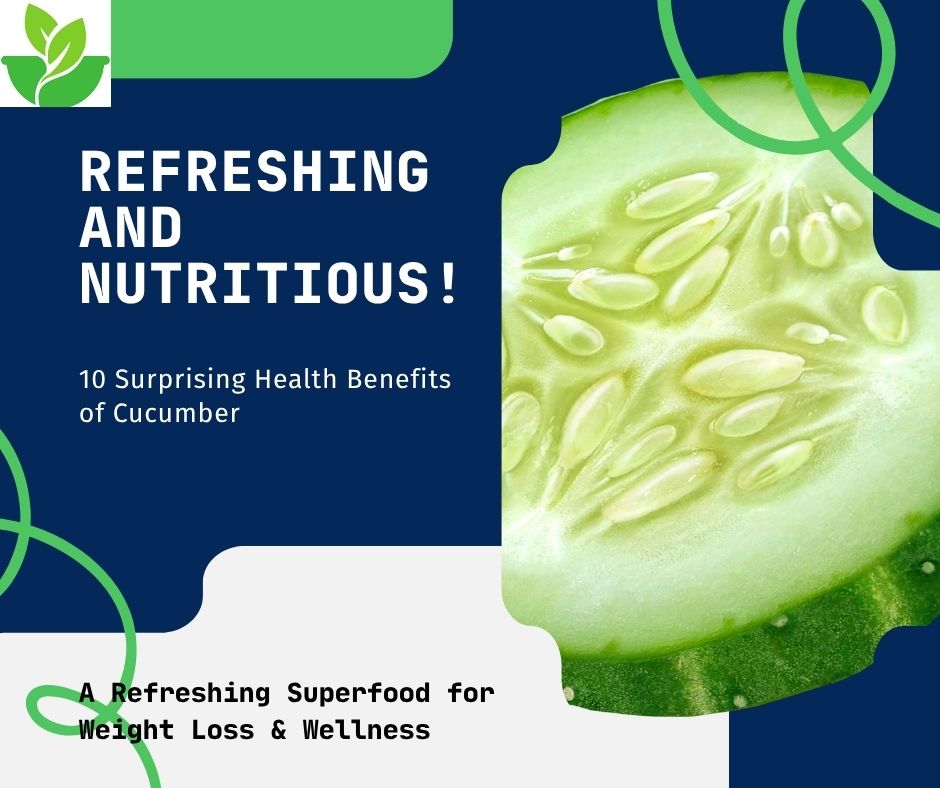
10 Surprising Health Benefits of Cucumber: A Refreshing Superfood for Weight Loss & Wellness
Cucumber 10 Surprising Health Benefits of Cucumber: A Refreshing Superfood for Weight Loss & Wellness Cucumber Health Benefits, Cucumber Nutrition Facts, Low Calorie Cucumber Diet Crisp, cool, and incredibly hydrating, cucumbers are more than just a refreshing salad ingredient—they’re a powerhouse of nutrition. Packed with essential vitamins, antioxidants, and fiber, cucumbers offer a wide range of health benefits that might surprise you. Whether you’re looking to maintain a healthy weight, improve your skin, or support digestion, this low-calorie vegetable can be a game changer for your wellness journey. In this post, we’ll dive into the top health benefits of cucumbers, explore their nutritional value, and highlight why they deserve a frequent spot on your plate. Known scientifically as Cucumis sativus, cucumbers belong to the family of watermelons, zucchini, gourds, squashes and pumpkins. This is a wonderful low calorie vegetable which has more nutrients to offer than just electrolytes and water. One of the oldest cultivated crops, this is a all seasonal vegetable and hence its nutritional and health benefits can be availed all year round. They can be eaten raw as is or in vegetable salads or in the form of juice.Cucumber Nutrition Facts One medium sized slicing cucumber Calories 13 mg Vitamin C 5.5 mcg Vitamin A 223.60 UI Molybdenum 5.6 mcg Folate 13.52 mcg Fiber 0.83 g Magnesium 11.44 mg Cucumber Health Benefits Keep body hydrated: Because cucumbers are 95% water, they keep the body hydrated. It helps to regulate the body’s inner temperature, especially during summers. They also help the body flush out toxins. Skin care: One of the most acclaimed benefits of cucumber is in skin care. It contains vitamin C which is good for skin. Even the skin of cucumber contains vitamin C. The skin of cucumber once peeled can be used to relieve sunburn and mild skin irritations. Cut cucumber in round thin slices and place them over your eyes for some time. It helps in removing dark circles. Hair growth: Studies have also shown that cucumbers can stimulate hair growth. Beauticians suggest the use of cucumber juice to reduce puffiness around the eyes and to reduce acne. Relieve indigestion: Cucumbers can help in relieving acid indigestion and heartburn . They are a good source of dietary fiber. It also helps reduce constipation Reduce blood pressure: Cucumbers can reduce blood pressure as they are rich in potassium and magnesium. Studies by DASH (Dietary Approaches to Stop Hypertension) show eating cucumbers can help lower blood pressure by 5.5 points in some hypertension prone individuals when coupled with a diet of low starch and lean proteins. Reduce uric acid: Studies have also shown that cucumbers, when eaten on a regular basis, help to regulate uric acid. So it can prevent certain kidney or bladder stones. Relieve gout and arthritis pain: Cucumber is rich in vitamins A, B1, B6, C & D, Folate, Calcium, Magnesium, and Potassium. it is said that when cucumber is mixed with carrot juice, they can prevent gout and arthritis pain by lowering the uric acid levels. Diabetes cure: The cucumber juice is helpful for the diabetic patients. This vegetable contains a hormone needed by the cells of the pancreas for producing insulin. Weight loss: Due to its low calorie and high water content, cucumber helps in checking weight gain. Bone building: They have high amount of vitamin K, which has a potential role in bone strength by promoting osteotrophic (bone mass building) activity. Low Calorie Cucumber Diet Slice cucumbers, tomatoes, and shallots. Mix with red wine vinegar and 1 tbsp. olive oil. Toss and enjoy! Dice cucumbers and watermelon for a refreshing summer salad. Chop cucumbers and add to it low fat yogurt. Add a pinch of salt and pepper. Healthy summer raita. Add 1 cup cucumber to blender or juicer for cucumber juice. Add a splash of lime juice and a pich of pepper powder for additional flavor. Use cucumber sticks or rounds instead of potato chips for your favorite dip! Tip: Slice or chop cucumbers with the peel on to maximize health benefits. Conclusion Cucumbers prove that healthy eating doesn’t have to be complicated or expensive. With their multiple health benefits—from promoting hydration and aiding digestion to supporting weight management and skin health—they’re a smart addition to any diet. Whether sliced in salads, infused in water, or enjoyed as a snack, cucumbers offer both taste and nutrition. Make them a regular part of your routine and enjoy the cooling, healing benefits of this humble superfood. Leave a Reply Cancel reply Logged in as quickhomeremediesin. Edit your profile. Log out? Required fields are marked * Message*
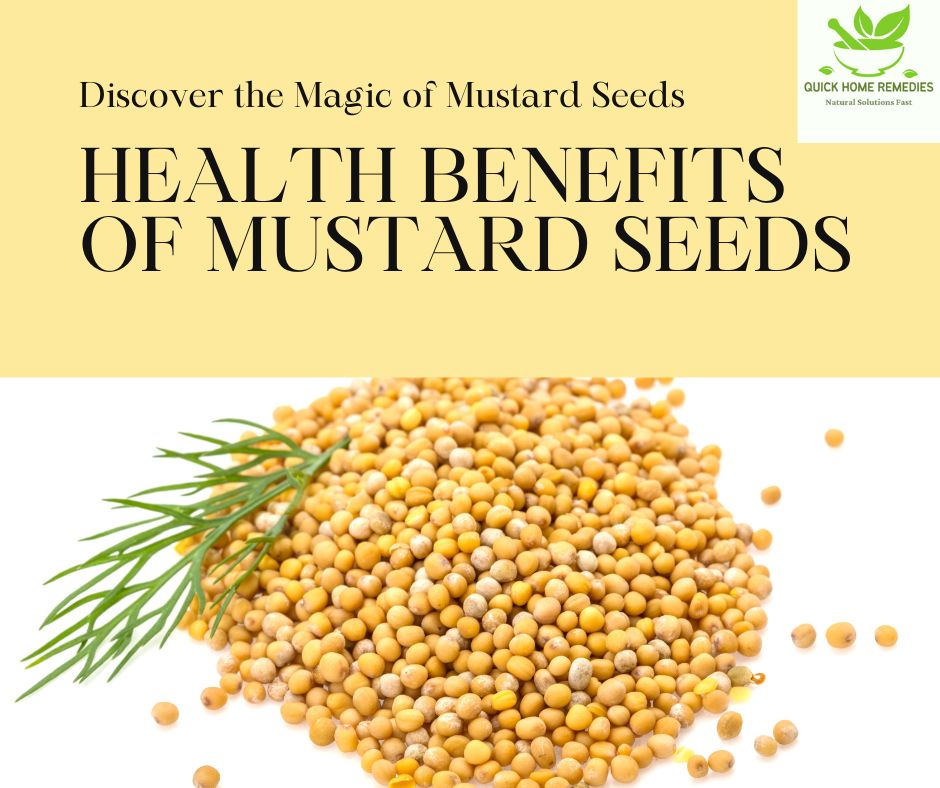
Harnessing the Power of Mustard Seeds
Health Benefits of Mustard Seeds Harnessing the Power of Mustard Seeds: Health Benefits and Versatile Uses Mustard seeds are a popular ingredient in various types of cuisines, especially Indian and American cuisine. There are three popular varieties of mustard seeds that are consumed : black mustard (Brassica nigra) with a pungent taste, white mustard (Brassica alba), the mild ones and which are actually white in colour and brown mustard (Brassica juncea), with a pungent acrid taste and dark yellow in color. Mustard seeds have been used wonderfully to make mustard oil and mustard sauce. The whole mustard seeds have been used as a tadka in Indin foods. Also, the powdered form of the seed can be used for garnishing a dish. Mustard seeds besides adding flavour to food also have numerous health benefits, which we are discussing below: Amazing Benefits of Mustard Seeds Asthma: The seeds are high in selenium and magnesium and have anti inflammatory property. If it is consumed regularly, it can control or prevent the symptoms of asthma, including cold and chest congestion. Weight loss: These seeds are packed with B-complex vitamins like niacin, thiamine, folates, riboflavin etc. The seeds are helpful in speeding up one’s metabolism leading to weight loss. Slow ageing: Mustard seeds are a great source of carotenes, zeaxanthins and lutein, vitamin A,C and K, which make it rich in antioxidants and hence slows the ageing process Gastrointestinal cancer: Packed with phytonutrients, mustard seeds are a great way to prevent and slow the progress of cancers of the gastrointestinal tract. Rheumatoid, arthritic and muscle pain: With its anti inflammatory and heat producing properties, the mustard seeds paste when applied to the body, heats up the area and helps loosen muscles, leading to pain relief . Cholesterol: Mustard seeds can help lower one’s cholesterol levels and protects the arteries from atherosclerosis . The seeds also help to regulate blood flow and protects the body from hypertension. Constipation: The seeds contain mucilage, a thick slimy substance that helps relieving constipation. Apart from that, it is also high in fibre. Mustard seeds are known to increase saliva production, leading to better digestion. Skin infections: Packed with sulphur, mustard seeds are a great way to prevent skin infections. Immunity: The seeds help improve the body’s ability to fight disease because mustard has a huge quantity of elemental minerals like iron, manganese, copper etc. Migraine: The occurrence of migraine also reduces due to the magnesium content present in the mustard seed. Nutritional facts of mustard seeds11 grams of Mustard seeds contain the following nutrients.52 calories, 3 grams fat, 1mg sodium, 0mg cholesterol, 2 grams of carbohydrates,3 grams of proteins, Calcium 65%, iron 6%, vitamin C 1%, Vitamin A 0% How to use mustard seeds? Certain Health Tips For Pair Relief: To relieve pain, make a small bundle of the mustard seeds in a muslin cloth, and add it to warm bath water. Soak your tired and aching feet for instant relief or you can have a long relaxing bath. Another great way is to apply the mustard seeds paste on the area for a few minutes. For Hair : Use mustard oil once a week for a warm oil massage. This is an effective way to relieve stress, dandruff and promote hair growth. After you apply the oil, wrap your hair in a thin plastic bag or a warm towel to increase absorption of the oil into the scalp. For Constipation : Have one teaspoon of mustard seeds two to three times a day to relieve constipation. For Congestion : To clear congestion and breathing problems, grind a quarter teaspoon of mustard seeds along a little water to make a paste. Consume this paste after adding honey in it. For Appetite : Have a glass of milk with a few black mustard seeds for increasing appetite. Consume this about 15-20 minutes before meals. For Skin : Make a paste with few mustard and some water and apply it on skin to heal ringworm. Roast some mustard seeds in coconut oil. Next, cool and strain this mixture. Apply this on face to lighten skin color and get rid of pimples. Lastly, always remember to use mustard seeds in small quantities.
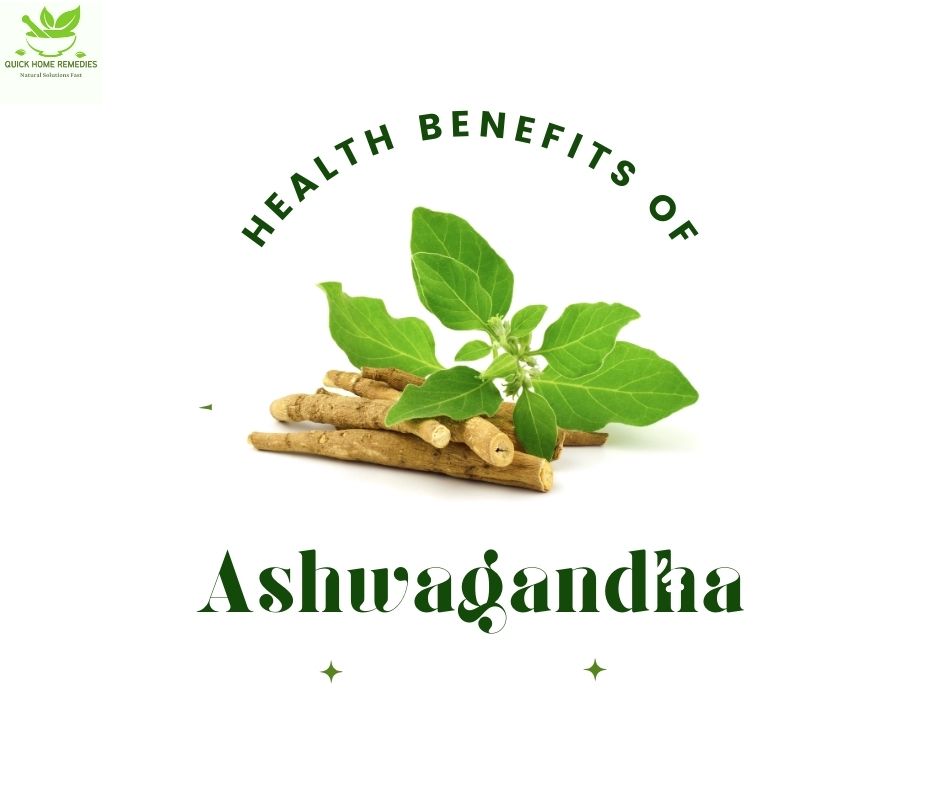
Embrace Wellness with Ashwagandha: Heath Benefits of Ashwagandha
Embrace Wellness with Ashwagandha Embrace Wellness with Ashwagandha: Heath Benefits of Ashwagandha Ashwagandha herb has been used since ages in medicinal science. It is the ‘ginseng’ of Ayurvedic medicine, the traditional medicine of India. This herb has been used in various medicinal formulations to improve the overall health of the human body. For centuries, Ayurvedic medicine has used the ashwagandha (Withania somnifera) plant as an aphrodisiac, to prevent general weakness and exhaustion. In Ayurveda, Ashwagandha herbal formulas are called Rasáyana tonics, can be taken over long periods of time to regenerate both brain and body tissue. Health Benefits of Ashwagandha: A Comprehensive Overview Protects the Immune System:Ashwagandha is a powerful herb that enhances the body’s resilience to stress and strengthens the immune system. By balancing the immune response, it helps the body fight off infections and diseases more effectively. Stress Relief:Ashwagandha is renowned for its ability to reduce stress and anxiety. It lowers cortisol levels, the hormone responsible for stress, promoting a sense of calm and well-being. Regular use of ashwagandha can help manage chronic stress and improve overall mental health. Improves Memory:Ashwagandha has been shown to boost cognitive function and improve memory. It enhances brain function by promoting antioxidant activity that protects nerve cells from harmful free radicals, thus supporting mental clarity and focus. Reduces Anxiety and Depression:Ashwagandha acts as a natural mood stabilizer, alleviating symptoms of anxiety and depression. It supports the production of neurotransmitters like serotonin and GABA, which play a key role in regulating mood and emotional well-being. Controls Blood Sugar Levels:Ashwagandha helps in maintaining healthy blood sugar levels by improving insulin sensitivity. This makes it a beneficial supplement for individuals with diabetes or those at risk of developing the condition. Lowers Cholesterol:Ashwagandha has lipid-lowering properties that can help reduce cholesterol and triglyceride levels in the blood, promoting cardiovascular health. This helps in reducing the risk of heart diseases. Reduces Brain-Cell Degeneration:Ashwagandha supports brain health by reducing oxidative stress and inflammation, which are major factors in brain-cell degeneration. It may help in preventing neurodegenerative conditions like Alzheimer’s disease. Anti-Malarial Properties:Traditionally, ashwagandha has been used for its anti-malarial properties. It contains compounds that have been shown to inhibit the growth of the malaria parasite, offering a natural way to combat this disease. Offers Anti-Inflammatory Benefits:Ashwagandha’s anti-inflammatory properties are beneficial for treating conditions like arthritis. It reduces inflammation in the body, helping to alleviate pain and discomfort in joints and muscles. Supports Thyroid Health:Ashwagandha helps regulate thyroid function by stimulating the production of thyroid hormones. This is particularly beneficial for individuals with hypothyroidism, as it can help restore hormonal balance naturally. Restores Male Libido:Ashwagandha has been traditionally used to enhance male sexual health. It boosts libido and improves sexual performance by increasing testosterone levels and improving blood flow to reproductive organs. Cures Impotence and Increases Male Fertility:Ashwagandha is known for its ability to improve male fertility. It enhances sperm quality, increases sperm count, and boosts overall reproductive health, making it a natural remedy for impotence and infertility. Ashwagandha is a versatile herb with a wide range of health benefits. Whether you are looking to enhance your immune system, manage stress, improve cognitive function, or support reproductive health, ashwagandha offers a natural and effective solution. Ashwagandha Forms That Can be Consumed Capsules/Tablets, Churan, Powder Recommended Dosage The usual recommended dose is 600 to 1000 mg, twice daily. For people who suffer from insomnia and anxiety, you can take a teaspoon of powdered Ashwagandha with a cup of hot milk before bedtime. In extremely large doses, ashwagandha has been reported to induce abortions in animals. Although no similar studies have been carried out on humans, women should avoid the herb during pregnancy. Side Effects Ashwaghanda is generally safe at the doses recommended on the packaging. In high doses it may have steroidal activity similar to Creatine.

Ayurvedic Tips for Teeth Whitening and Strength
Whitening Teeth Ayurvedic Tips for Teeth Whitening and Strength How many of you want to have that dazzling white teeth? We must keep our teeth as clean as possible to reduce yellowing of teeth, oral and dental problems. There are various ayurvedic treatments that can help you to have permanent whitening and strengthening of the teeth, without any side effects. These days many teeth whitening products in the form of ayurvedic paste, herbs, tooth powder are available. But along with this, you can also opt for some diet changes that will lead to the whitening of teeth. Ayurvedic Herbs for Teeth Care Margosa (Azadirachtha indica): Neem or Margosa twig as a tooth brush has been used since time immemorial to keep teeth clean and strong. This is one of the best ayurvedic herbs known for curing any type dental problem. You can also apply neem oil as antiseptic against bad breath and microorganism. Holy Basil (Ocimum sanctum): Brush your teeth with the powder made from the leaves of Holy Basil. Take basil or tulsi leaves, dry them under the sun and ground it into powder. Whitening of teeth is one thing that can be achieved from Tulsi. But along with this pyorrhea (bleeding in gums) can also be treated with holy basil. Babul (Acacia arabica): As per ayurveda, babul is another herb used for tooth care. Use the twig of babul plant as a tooth brush just like neem and feel the freshness for the whole day. Tannin in babul will help in the whitening of teeth. Ayurvedic Tips for Teeth Care Mix mustard oil and salt and apply this on your teeth with the help of your finger. This will cause the whitening of your teeth. Make a paste basil leaves and mustard oil. Daily brush your teeth with this. This is a very good ayurveda tips for teeth whitening. Rub your teeth with babul or neem twigs instead of brush in the morning. This removes plaque. In diet make sure to have something bitter, astringent and pungent. Eat less of chocolate and sugar content as sugar is harmful for teeth. Rinse your mouth properly after eating something. Drink less tea and coffee to have white and strong teeth. Do not smoke. Do not eat paan or beetle leaf for long life of your teeth and yourself. Home Remedies for Teeth Whitening and Care Take the orange peel and rub it on your teeth at night. This is acidic. This will work on plaque giving you white teeth in the morning. Eat lots of fruits and vegetables containing vitamin C. So include strawberries, oranges, tomatoes in your diet. Or you can also apply their juice directly on your teeth for whitening. Take sodium bicarbonate and apply this on your teeth every morning instead of tooth brush. Apply clove oil on your teeth to reduce the teeth problems. Take a dry ginger and dried orange peel. Make the paste with water and apply it on your teeth for whitening. Massage your teeth and gums with sesame or clove oil every morning with your finger. Good ayurveda teeth care tip. 1 Comment AnonymousFebruary 9, 2014 at 5:47 pm | Edit I read this article & I got some great tips of ayurvedic..I am also providing some more details tips on this click here Reply Leave a Reply Cancel reply Logged in as quickhomeremediesin. Edit your profile. Log out? Required fields are marked * Message*